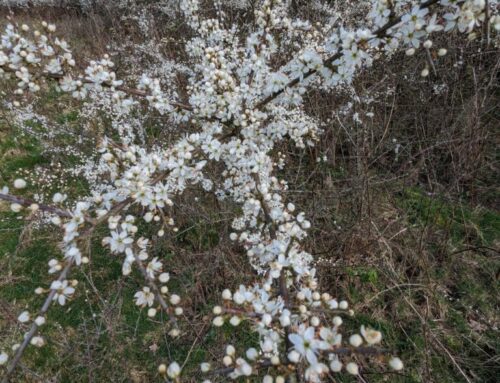
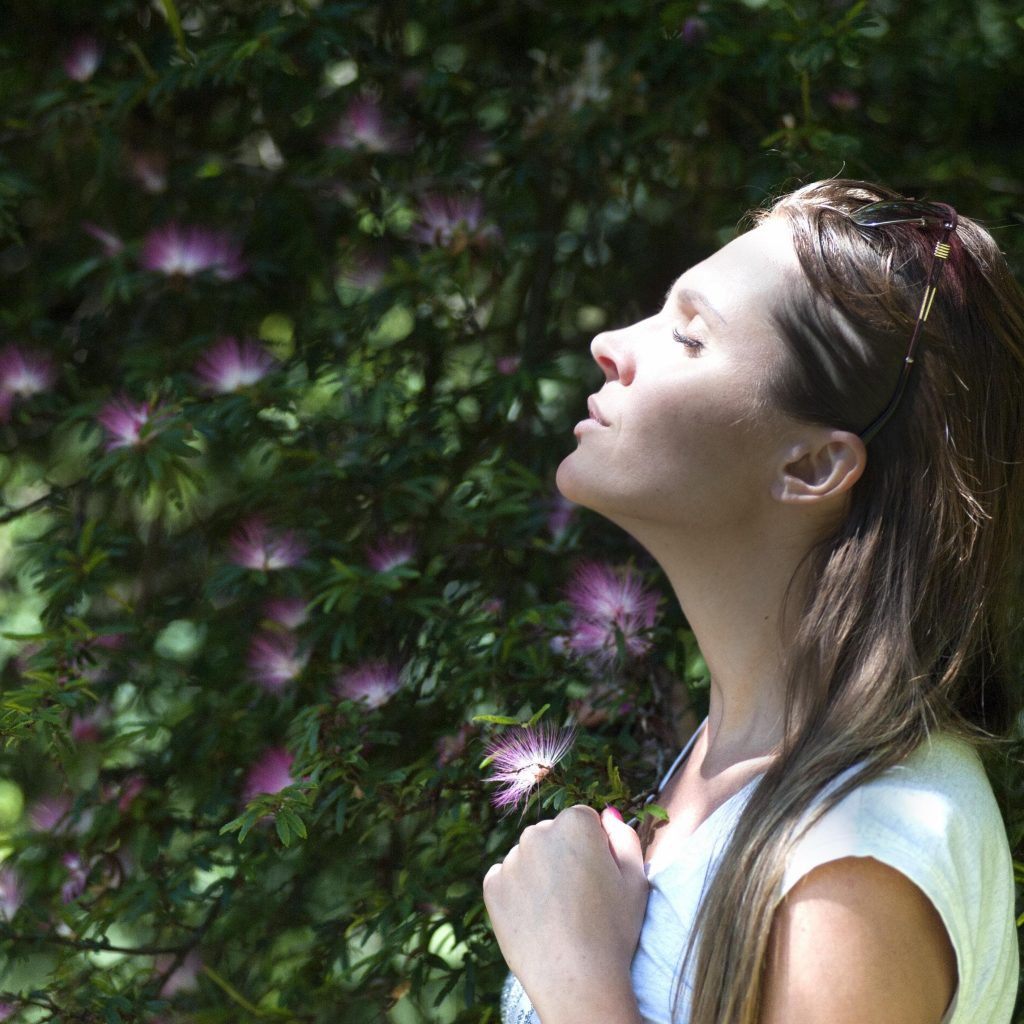
Nature is accessible to everyone. Whether you’re wild camping in an isolated place, walking your dog or listening to the birdsong in the garden; there are plenty of opportunities to try mindfulness in nature.
Nature is around us all the time. Even if you live in a city you can see the tenacious plants growing through cracks in the pavements or you can look up and see the clouds moving across the sky. When you stop and notice in this way, something positive happens to your body, mind and heart.
Scientific research shows that connecting with nature reduces stress levels and enhances feelings of wellbeing. Most of us can easily recall a time when we have felt stressed or upset and then gone for a walk, sat in a natural place, and noticed a change in how we feel. Something magical happens.
There are several reasons for this:
- As human beings we are hardwired to respond to life in all its forms (a phenomenon called ‘biophilia’).This is why we tend to prefer looking at a tree to staring at a concrete wall. The more life, the better we feel – so the more biodiverse the natural environment, the more positive the effect on us.
- Nature constantly reminds us that we are part of something much bigger than ourselves. For example, the cycles of the seasons can act as a powerful metaphor for the cycles of change we go through in our own lives. This is particularly important in modern western society, which has become unhealthily individualistic and removed from the natural world.
- The more we connect with nature, the more we realise that we are part of it. We start to develop more compassionate feelings towards it, towards ourselves and towards others. Feeling compassion activates a whole load of other powerful responses in our brains and bodies that increase our wellbeing. You can read more about it here.
Building the mind/body connection
Mindfulness in nature can really help support good mental health. It has a wonderful way of bringing us into a place of balance and inner calm, helping us feel happier and more positive. When we feel stressed, anxious or overwhelmed by life our sympathetic nervous system initiates the ‘fight, flight, freeze’ response. This increases levels of the ‘stress hormone’, cortisol, causing inflammation in the body and creating unsettled, negative or even delusional thoughts. When we are feeling calm, present and relaxed our parasympathetic nervous system is activated. This releases ‘happy hormones’, like serotonin, compounding the feeling of wellbeing. You can read more about how your nervous system works here.
When we practice mindfulness in nature we relax and awaken our senses. We are still, we listen to the birds or the breeze, notice the sunlight through the leaves and the feeling of our feet firmly grounded on the earth; we focus awareness on our bodies and our breathing. This all has an incredibly powerful effect on the body, mind and heart. Try this simple exercise and see what a difference it makes to how you feel.
Mindfulness in nature and awakening the senses – try it for yourself
- Find a quiet place to sit, lie or stand, ideally in nature, however if you are not able to get out just open the window. You may also like to take your shoes off so you can feel the ground under your feet.
- FEELING: Notice the places where your body makes contact with the surface underneath you. Can you feel any air/wind on your skin, what is the temperature of the air? Take a moment to breathe a little more deeply and slowly for a few breaths, noticing the sensations as you breathe in and out.
- HEARING: Open up your hearing to become aware of the sounds you can hear around you, send your awareness all around you like a huge bubble. What is the sound you can hear furthest away? What is the quietest sound you can hear? Can you hear any birds? Are their similar ones, calling to each other, or are there different ones? Can you hear any leaves rustling?
- TASTING: What is the taste in your mouth, what did you last eat or drink?
- SMELLING: What can you smell? Often if it has rained there can be a damp smell of earth. Maybe choose a plant to smell, and notice its scent.
- SEEING: What can you see as you slowly look around? Maybe pick up a natural object like a leaf or stone and really look at it, noting its delicateness or complex structure.
- Just stay still and simply be aware of your experience, drawing your awareness back to your senses when you notice your mind wandering (which is inevitable!) Try and stay for at least 10 minutes, ideally 20, just gently acknowledging what you hear, smell, feel and see without needing to label anything. Just simply appreciate – and be.
If you would like some further guidance visit www.vitalityworks.co.uk/resources and look for ‘the sense meditation’.
Suzy Daw is a holistic health coach at Vitality Works and a member of the Sacred Earth management committee.