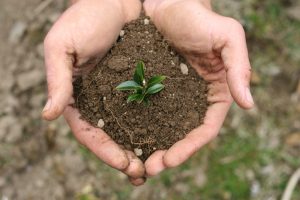
Soil is bursting with life. Indeed, the dirt beneath our feet is the most complex ecosystem on Earth. A teaspoon of productive soil generally contains between 100 million and 1 billion bacteria. There is a whole bustling world of single-cell creatures down there.
Scientists still have much to understand when it comes to just how the soil ecosystem works. However, we do know that the bacteria in it has many different functions relating to water dynamics, nutrient cycling and disease suppression. The entire system needs to be kept in balance, or things can go badly wrong.
Just like a human needs the beneficial bacteria you find in foods like sauerkraut and live yoghurt to keep their gut flora in check – and so their overall health in balance – soil needs good bacteria to survive. It also contains less friendly bacteria, which are the source of diseases. Like everything in the natural world, it’s all about balance – and not letting the dizzying number of soil bacteria get out of kilter.
Here’s our starter’s guide to the main kinds of soil bacteria:
Decomposers:
Nature is all about recycling. The chemical raw materials which are needed to make all living things are recycled over and over again. If this didn’t happen, then the world would have run out of materials eons ago. Soil is fundamental to this cycle.
Certain bacteria in it – along with some fungi – are decomposers. They release nutrients and minerals from dead bodies and the waste that plants and animals leave in the soil. They then break them down into smaller parts that plant roots can absorb more easily. Living plants then use these nutrients to sustain themselves. And so the cycle goes on.
Nitrogen fixers:
Nitrogen is a chemical element essential to the creation of protein in plants. Soil bacteria facilitate what’s known as the ‘Nitrogen Cycle’, so plants can obtain protein and grow.
Certain species of bacteria eat the protein in dead animals and plants. When it comes out as their waste, it’s been converted into ammonia. Other kinds of bacteria then convert this ammonia into nitrites; others still into nitrates (nitrites and nitrates being different molecules made up of both nitrogen and oxygen). Through their roots, plants absorb these nitrites and nitrates to make their protein. Animals then eat the plants to make their protein. And so the cycle continues!
Disease suppressors:
This kind of bacteria releases antibiotic substances to suppress particular competitors or diseases. Indeed, scientists are now beginning to understand that it takes a whole army of different microbes to defend plants against pathogens. The new thinking is that these diverse bacteria work together like an animal’s immune system to fight off a range of infections and predators.
Actinobacteria:
Actinobacteria are bacteria that share some characteristics of fungi, such as sporing. They’re common in the soil, where they form thread-like filaments. They’re also responsible for the characteristically ‘earthy’ smell of freshly turned healthy soil. They play a major role in the cycling of organic matter and also inhibit the growth of several plant pathogens in the rhizosphere (the soil directly around plant roots).
Sulphur oxidisers:
Sulphur is essential to soil and plant health. Plants use it to make chlorophyll, which permits photosynthesis. However, the sulphur most commonly found in soil minerals is not in a form that plants can absorb. Certain bacteria, primarily one called Thiobacillus, can covert these sulphides into sulphates, a form plants can use.
Aerobes and anaerobes:
These two different kinds of bacteria are linked to soil oxygen levels. Aerobic bacteria prefer well-oxygenated soils. They use the oxygen to decompose most carbon compounds. Anaerobic bacteria prefer an environment without oxygen. Anaerobic bacteria are generally found in compacted soil that’s wet and/or hasn’t be drained. Many pathogenic bacteria prefer anaerobic soil conditions and are known to outcompete or kill off aerobic bacteria in the soil. Many anaerobic bacteria are found in the intestines of animals and are associated with manure and bad smells. In the soil they can produce toxic compounds that limit root growth and predispose plants to root diseases.
So that’s the soil bacteria basics – but if you don’t want to go too deep into the science, one easy way to ensure your soil has enough of all the good microbial guys is to nourish it with our new Biochar Soil Booster. Now available from Sacred Earth’s online shop, it’s made with the eco-friendly charcoal known as biochar – the perfect home for soil microbes, thanks to its knobbly, porous structure. Designed to provide soil with a highly potent boost of nutrients and minerals essential to the health of beneficial bacteria, it also contains our carefully-honed recipe of comfrey tea, foraged seaweed and biodynamic compost preparations. Now available to buy from our shop.